
About us

We are here to support you and help you feel understood. Our team specialises in caring for adults who are navigating life with eating disorders and the health issues that often come with them.
We work side-by-side with your local Community Mental Health Team to provide the extra level of care and treatment you might need. While our focus is treating anorexia nervosa, we also support people with bulimia nervosa who need medical attention for their physical health alongside emotional support.
Our team works within the local Community Mental Health Teams. We are available Monday to Friday, 9am – 5pm.
The areas we cover
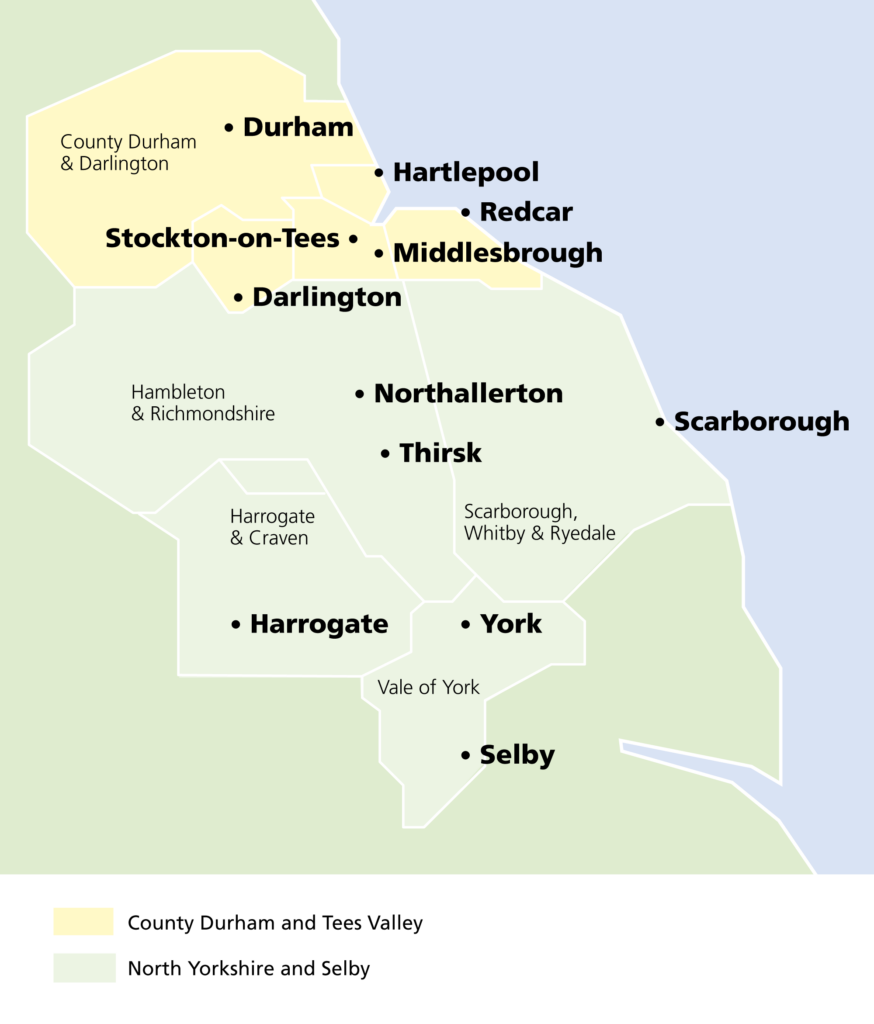
We cover a large area including Scarborough, Whitby, Ryedale, and all areas of York including Selby.
Adult Mental Health service locations – (Scarborough, Whitby, Ryedale)
Scarborough: Ellis Centre, 18 Dean Road, Scarborough, YO12 7SN
Tel: 01723 355095

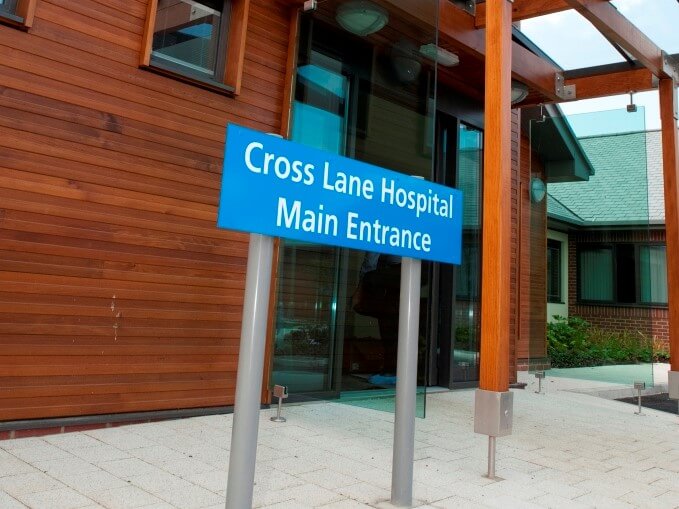
Cross Lane Hospital Outpatients: Cross Lane, Scarborough YO12 6DN
Tel: 01723 384600
Whitby
The Anchorage: 11 Byland Road, Whitby, North Yorkshire, YO21 1JH
Tel: 01947 820294
Ryedale
Princess Road Clinic: Princess Road, Malton, North Yorkshire
Tel: 01653 696661
Adult Mental Health service locations – (York and Selby)
York North, Huntington House: Jockey Lane, Huntington, York, YO32 9XW
Tel: 01904 556705
York Central, Huntington House: Jockey Lane, Huntington, York, YO32 9XW
Tel: 01904 556705

York West, Acomb Garth: 2 Oak Rise Acomb, York, YO24 4LJ
Tel: 01904 736100
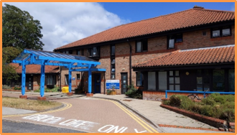
York South, Worsley Court – Doncaster Road, Selby, YO8 9BX
Tel: 01757 211563
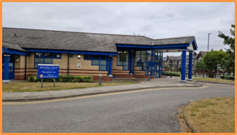
Please See https://www.tewv.nhs.uk/locations/ for more information
How we can help
We are here to support you at every stage of your recovery. By partnering with Community Mental Health Teams, we ensure your care is tailored to you as an individual. After your initial appointments, we’ll sit down and figure out what works best for your situation.
Our team uses evidence-based therapy methods, such as the Maudsley Model of Anorexia Nervosa (MANTRA) and Specialist Supportive Clinical Management (SSCM). These are designed to help you heal your relationship with food, your body, and yourself. We can also look at other types of therapy depending on what you need.
Alongside talking therapy, you will spend time with our dietitians. They are here to help you build confidence around food, improve your nutrition, and reach your personal goals.
We will also keep a close eye on your physical health with regular check-ups, just to make sure your body is getting the support it needs to recover.
Finally, we know how hard this can be for families. We offer a wide range of dedicated resources and support services for your loved ones—providing guidance, practical advice, and a listening ear to those supporting you.
Getting to know your support team

Team and Project Manager
The role involves overall leadership for the team & encouraging developments within the service to ensure we are delivering the best possible care. They may be involved in your care review meetings to support your treatment.
Consultant Psychiatrist
A senior doctor who helps look after both your physical and emotional wellbeing. They can work with you to create a personalised care plan, manage medication if needed, and keep you safe. They also lead your wider care team—working closely with dietitians, therapists, and nurses—to ensure you receive safe and effective treatment throughout your recovery.
Eating Disorder Practitioners
The role involves meeting you in your first appointments to understand your current needs. With the support of colleagues within the community mental health teams, they will work together to consider how they can help you to recover. This may involve working together in a psychological therapy and being involved in the monitoring of your physical health.
Dietitian
The role involves supporting you to understand your eating difficulties and work towards recovery. They will offer a space to talk about your relationship with food, complete a nutrition assessment, and share useful information about eating and health. Together, you will set personalised nutrition goals like building regular eating habits, challenging fear foods, improving portioning, or increasing variety – based on what feels right for you.
Associate Practitioner
The role involves monitoring your physical health. They may also be included in your care review meetings.
Clinical Nurse Specialist
The role involves working with first contact mental health practitioners & the Access to Mental Wellbeing Service. Offering a psychological therapy for people who have contact with these services. They may also be involved in service development & community transformation.
Team Administrator
The role involves helping the team with administration tasks to ensure that there is good communication with everyone involved in your care. Therefore, they may sometimes directly email or speak on the phone to organise appointments.
What to expect in your first appointments
You will have a first meeting with an eating disorders nurse and a community practitioner. This is simply a chance for us to get to know you.
What happens: We will go through some forms together (if you haven’t done them yet) and talk about what you are struggling with right now.
The goal: We want to hear about your history and what you’ve been through so we can figure out the best way to support you.
Time: 60–90 minutes.
Your physical appointment
We will ask you to see a nurse or support worker for a physical check-up. This helps us check if your physical health has been affected.
What happens: We will check things like your height, weight, blood pressure, and blood sugar. We will also take a blood sample and do an ECG (a simple heart tracing).
The goal: We will explain your results to you and give you advice on how to manage any physical symptoms. We usually share these results with your GP as well.
Time: About 60 minutes.
Your dietitian appointment
You will meet with a dietitian to look at your relationship with food.
What happens: We will talk about what you eat, what you are going through, and how you feel about food. You will also get to talk about nutrition goals that actually feel meaningful to you.
The goal: To help us understand your habits so we can support your recovery. If it seems helpful after this first chat, we usually offer a block of six sessions to keep working together.
Time: About 60 minutes.
If you need any specific support or adjustments for your first visits, please contact us at: [email protected]
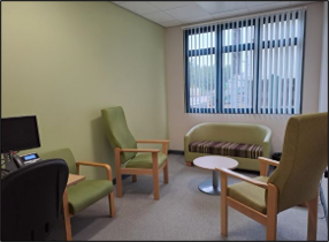
An example of a treatment room your first appointment may take place in
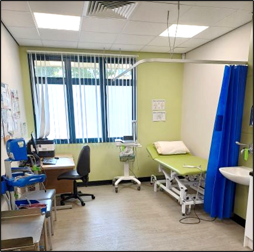
An example of a clinic room your physical health review may take place in
Some appointments may be offered to you via MS Teams.
What will happen after my first appointments
If the eating disorders team is the right place for you:
We will reach out to discuss your care plan and arrange your next appointments. We will also work closely with your community mental health team throughout your treatment.
If we feel another service would be better suited to help you:
We’ll help you look for other support that matches your needs better.
Involving loved ones
We are here to support your loved ones, too. We will never share your private information without asking you first, unless there is a serious safety concern—and even then, we will always be open with you about it.
These resources help your loved ones understand what you’re going through and give them a space to feel heard. We hope this brings you closer together.

Resources to share:
BEAT Eating Disorders (ONLY available in York)
FEAST – Families empowered and supporting treatments of eating disorders
Charlie Waller Trust – Support for parents and carer peers.
Reading: Caring for a Loved One with an eating disorder (The New Maudsley skills-based training manual).
To help everyone feel connected, we also offer support via the service. Your practitioner can give you further information and provide a toolkit of resources.
Eating Disorders Support Resources
BEAT eating disorders or telephone helpline (0808 801 0677)
Information for Centre for Clinical Interventions (CCI)
Mind Information & Support – Eating Problems
FREED: First Episode Rapid Early Intervention for Eating Disorders
Information on selective Eating vs ARFID
Information on ARFID Awareness UK
If you are feeling emotionally distressed, suicidal or have concerns for your safety and require support you can contact the following:
The Crisis Team and Mental Health Helpline – Call 111 selecting Option 2
Samaritans 116 123
MIND 0845 766 0163 (Mon–Fri, 9am-5pm)
York Safe Haven, The Haven, York – 07483 141 310 (Mon-Fri 6:00pm -10:00pm & Sat – Sun 14:00pm-10:00pm)
Attend A&E department
Community Wellbeing Hubs
Your feedback matters to us
iWantGreatCare Adult mental health (AMH) York and Selby Eating Disorders
We’re dedicated to giving you and your loved ones exceptional care. We are here to support you, answer your questions, and ensure you feel confident and in control of your own treatment.
You can complete a short questionnaire regarding your experience.
Feedback
Please let your care team know if you want to comment on whether:
- this information is useful
- any information is missing
- you do not understand the information
Do you have concerns or complaints?
If you have concerns or complaints about a service, you can:
- tell a member of staff
- call our complaints team – freephone 0800 052 0219
- email [email protected]
Information in other languages and formats
All our website and leaflet information can be made available in many formats. Please ask a member of staff if you would like this information in another language, large print, audio or braille.