
A pioneering project has been highlighted as a national example of best practice in a new report exploring the experiences of autistic people affected by eating disorders.
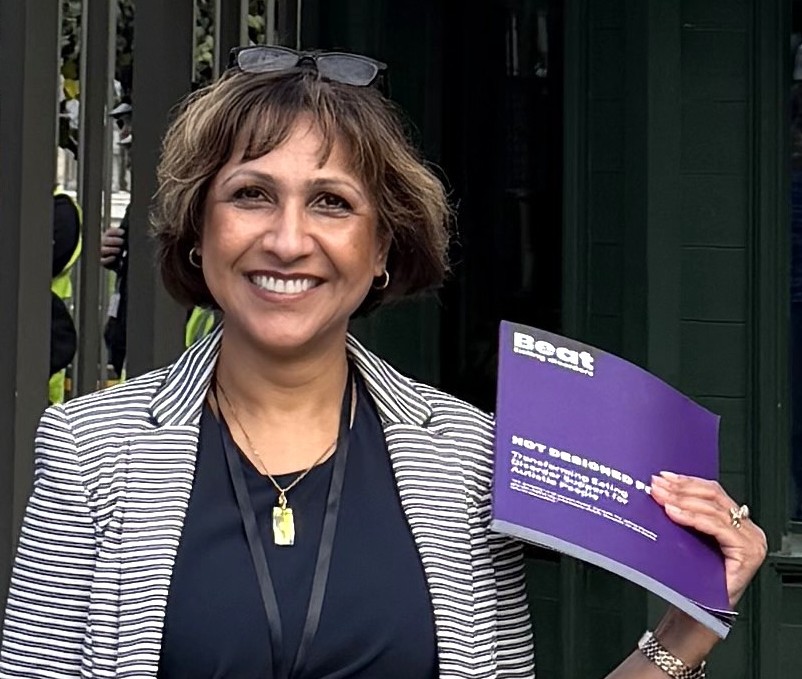
The review by eating disorder charity Beat found “many autistic people face barriers” to accessing support – and must “fit into services not designed with them in mind”.
However, an initiative run by our trust in Teesside was highlighted in the report for leading the way in supporting young people.
The autism-centred pathway, which was developed by our community eating disorder service, seeks to reduce delays to treatment and ensure tailored care from the start.
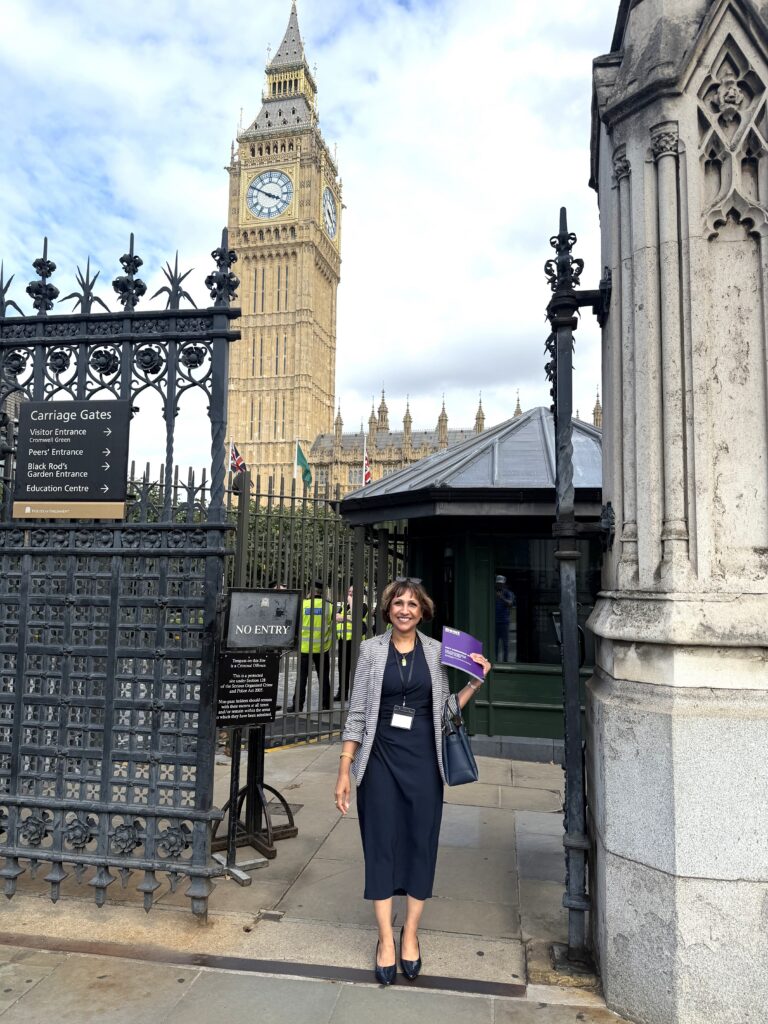
Consultant psychiatrist Huma Aazer was invited to the launch of the report at the House of Commons earlier this month and said:
“I was delighted to attend and talk about what we do. People are very interested in our work.
“As a service we have created a benchmark which others are keen to replicate.”
Supporting young people with health needs
A potential pathway was first discussed in 2021, after referrals “significantly increased” following the pandemic, with many young people presenting with combined needs.
A growing number of patients showed signs of undiagnosed autism, in addition to eating disorders, but faced waits of several years for official assessment.
The pathway was formally embedded in 2024 – with staff being trained in autism assessment, as well as strengthening links with neurodevelopmental services.
“It allows autism to be explored while young people are already engaged with clinicians they know and trust,” said Huma.
“Where autism is strongly indicated and would significantly influence care, the team can complete a multidisciplinary assessment within the eating disorder service itself.
“Importantly, autism-informed approaches are applied from the very first contact.”
Working to deliver better outcomes
The new Beat report states autistic people are twice as likely to develop an eating disorder as non-autistic people, yet “treatment is not adapted to meet their needs”.
But staff working within TEWV’s autism-centred pathway are working hard to improve access to services, enhance experiences and ultimately deliver better outcomes.
The Beat report shines a positive light on the approach stating: “Teesside has recorded no tier 4 eating disorder admissions in five years”.
Huma said: “People from across the NHS find our work inspiring and have asked for suggestions on how it can be replicated in other services nationally.”