
A military veteran who struggled with years of unemployment and spiralling mental health has turned his life around – thanks to the help of a specialist Trust service.
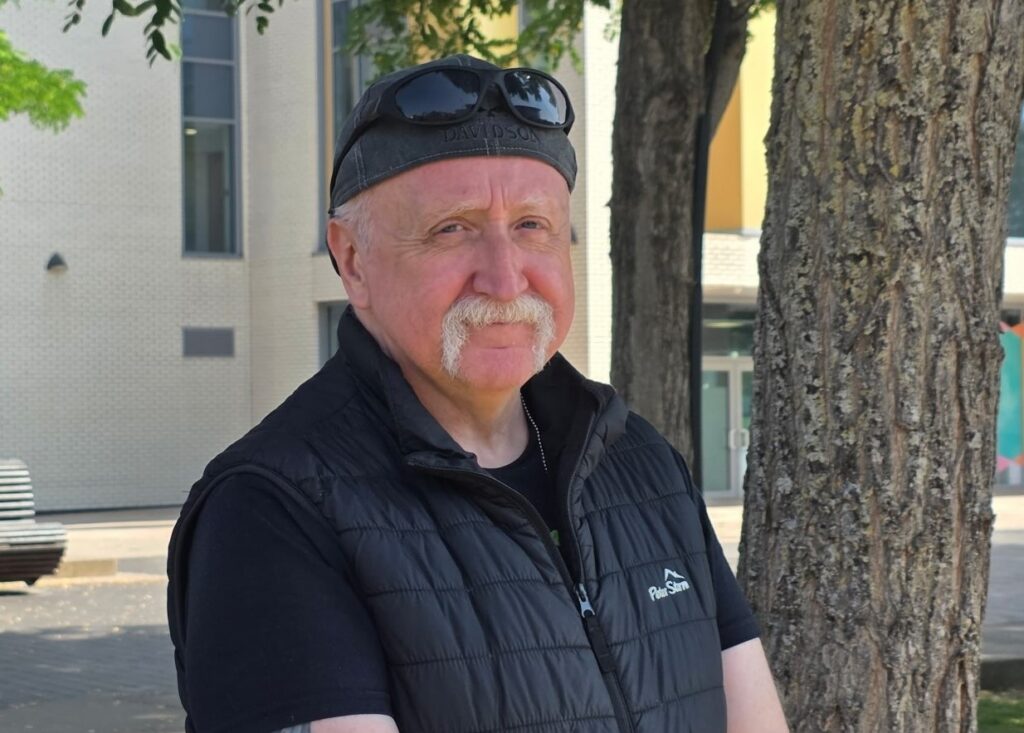
Middlesbrough dad-of-two Mark Hughes, 50, served in the army reserve forces for three years, putting his life on the line to support anti-terrorism operations.
But, after leaving the military, he struggled to find work and eventually reached “the end of his tether” after living with PTSD, anxiety and depression for years.
“I ended up in a very dark place. Although I wanted to work, I felt stuck in a cycle of rejection, and was losing all faith in my ability to find a job,” said Mark.
“I found job searching so overwhelming. Often, I didn’t hear back from applications, which really affected my confidence. I felt so isolated and hopeless.”
Finding light in dark times
Mark was at his “lowest point” when he was referred by his GP to the Individual Placement and Support (IPS) service, which is run by our Trust.
Working with IPS employment specialist Nicky Logan, Mark received tailored help and guidance to update his CV, complete applications and prepare for interviews.
“By this point my marriage had broken down, I had two young children living abroad and I was worried about being unable to support them financially,” he said.
“It was one of the hardest periods of my life, but Nicky helped me talk things through and provided the encouragement and support I needed to find employment.”
Spiralling mental health in difficult job climate
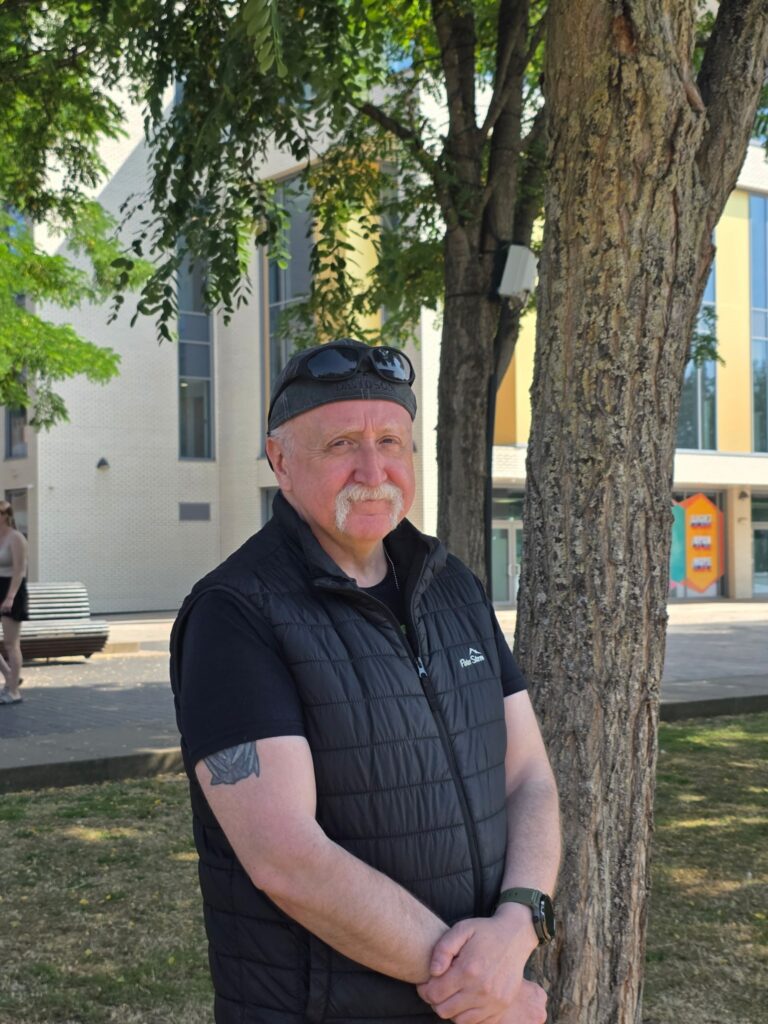
Mark worked in a variety of jobs before signing up to serve his country. However, after leaving the forces, he found it increasingly difficult to secure roles.
Determined to improve his prospects, he studied criminology at university and gained a TEFL qualification – moving abroad to teach English as a foreign language.
Mark married while in South America and eventually left teaching to work in the security industry. Finally, deteriorating employment prospects led him back to the UK.
Several temporary roles followed – including door supervision and security positions at industrial sites – but when his licence expired, he again struggled to find work.
“Endless job searching really took its toll,” he said. “I felt like I was having a mental breakdown. I just couldn’t handle all the rejection anymore.”
Mark approached his GP for advice after recognising his mental health was spiralling and – following the referral to IPS – the delighted veteran has turned his life around.
The support from Nicky and the service led to an interview for a security position at a chemical plant – and he is now celebrating his fourth month in the role.
“I texted Nicky straight away after being offered the job. It was such a great feeling to get it, and I really enjoy being a trusted part of a team again,” he said.
“The IPS service is absolutely brilliant. Without them I would probably have just given up. They’ve changed my life and given me a purpose.”
Giving people the confidence to do well
Mark is now encouraging others, especially men and military veterans, to seek help when they need it.
“I know a lot of men of my generation were brought up being told to ‘man up’ and not show weakness. I just want to say no to that.” he said.
“If you need help, get help. There’s no shame in it. You don’t have to struggle alone. If sharing my story helps someone ask for help, that’s something positive.”
Nicky, who worked with Mark for several months to support him into work, is delighted that his future is now looking much brighter.
She said: “Mark was great to work with. He always turned up on time and was keen to secure work even through the rejections. When he got the job, he was so happy.
“The IPS service is as much about giving people confidence in themselves as it is giving them interview skills and a good CV.
“It’s a rewarding role to support people such as Mark during their journey to employment. Seeing the difference it has made to him is fabulous.”
Working towards a brighter future
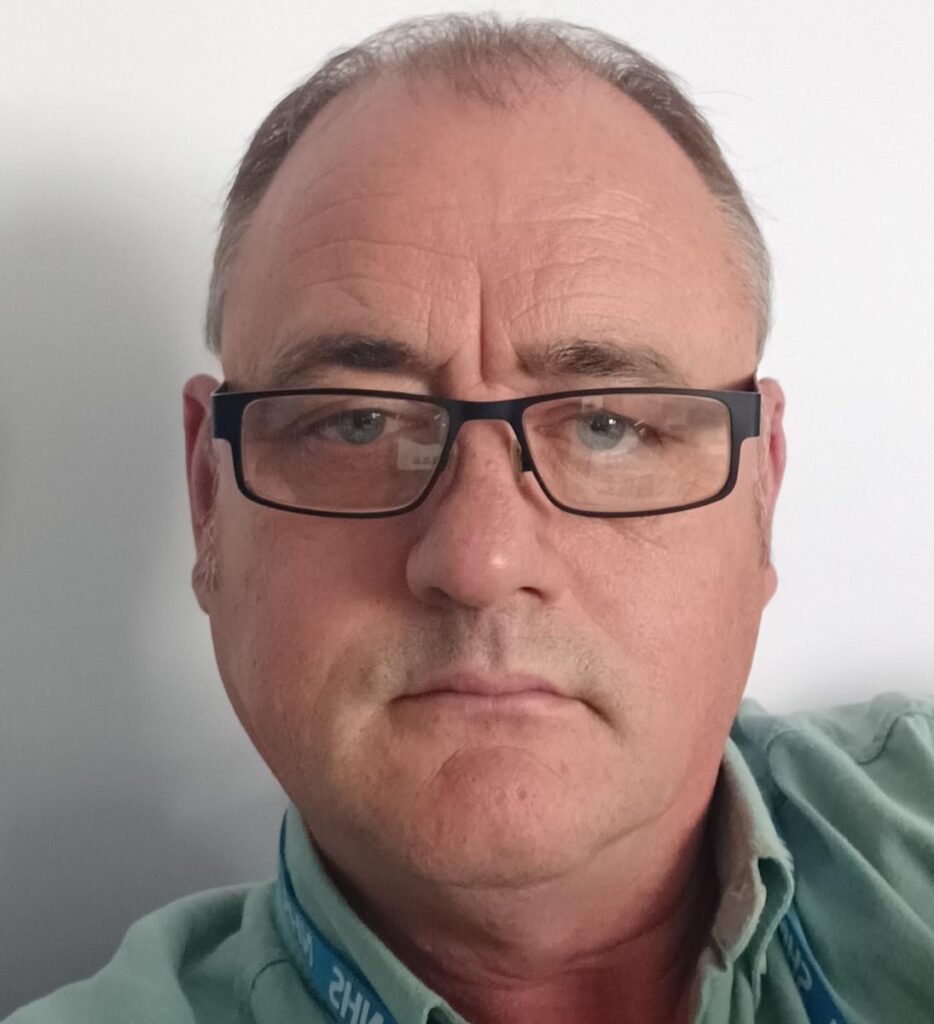
Over 2,100 paid jobs have been secured as part of TEWV’s employment support programme since 2019.
Mark Fryett, the IPS service lead, said: “The link between good mental health and sustained employment is clear.
“We know from our own data that 71% of people who remain in work for at least six months go on to be discharged from mental health treatment, while 93% remain well enough not to require further support.
“These outcomes demonstrate that employment can be a powerful part of recovery, helping people build confidence, independence and a brighter future.”