
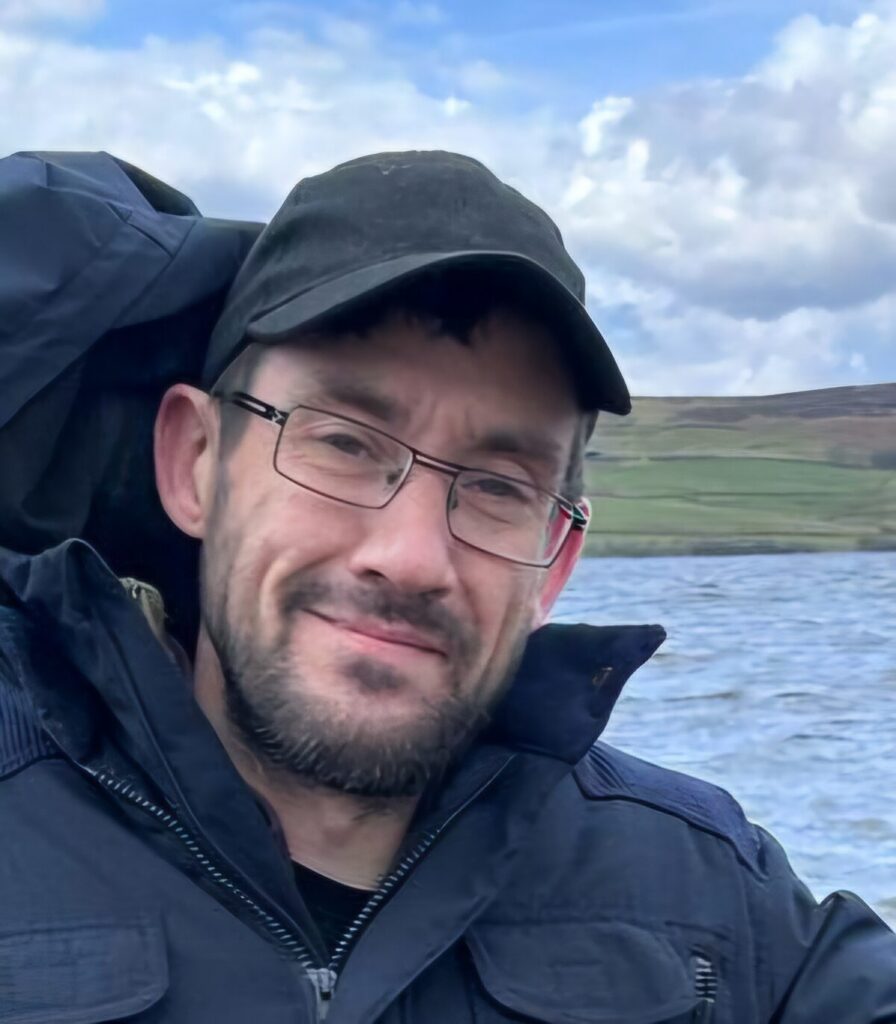
Today, he is using his own experience of recovery to support others as a peer practitioner within our trust – building meaningful connections with people accessing services, helping them feel understood, heard and supported.
He explains: “Everything I went through has value now because I can use those experiences to help other people. When you’ve faced similar challenges yourself, people often feel more comfortable opening up and talking about what’s really going on.”
The early years of Simon’s journey
In the early years of his mental health journey Simon felt disconnected from the support available and struggled to see a positive future. That changed when he began working with a care coordinator who took time to understand him as a person. They listened to his goals and developed a care plan alongside him.
“The plan was written with me, not for me,” said Simon. “It focused on what mattered to me and gave me a sense of ownership over my recovery.”
The care plan centred on small, achievable steps. This helped Simon gradually build confidence, engage with support services and reconnect with his community.
Seeing future possibilities
Through peer-led support, recovery-focused groups and opportunities within local services, he began to see possibilities for his future that he had never previously considered.
“My care plan evolved as I did,” explains Simon. “Every small step helped me move forward and build confidence in myself. Being around peers who had been through similar experiences showed me that recovery was possible. Seeing people further along in their journey gave me hope. It helped me believe in myself and inspired me to keep taking those next steps.”
Rebuilding independence
Over time, Simon overcame personal issues, rebuilt his independence, learned to drive and gained employment.
His recovery journey eventually led him to become a peer practitioner with our trust, a role he says would once have seemed impossible.
Today, that lived experience is one of his greatest strengths.
Peer practitioners are employed specifically because of their personal experience of mental health challenges and recovery. By sharing their experiences appropriately, they can provide hope, reduce stigma and help ensure services are designed around what matters most to the people who use them.
For Simon, lived experience provides a unique perspective that complements clinical expertise.
“People need to know that recovery is possible,” he said. “Sometimes seeing someone who has been through similar experiences and come out the other side can make all the difference.”
Championing a personalised approach to care and the value of lived experience
He also believes his experiences help him champion a more personalised approach to care, ensuring people’s voices remain central to decisions about their support. Simon explains: “Everyone’s recovery journey is different. The most important thing is listening to people without judgement and understanding what matters to them.”
Simon hopes sharing his story will demonstrate the value that lived experience brings to mental health services.
“This role has given meaning to everything I’ve been through,” he said. “If my experiences can help someone feel understood, find hope or take the next step in their recovery, then that’s something really positive.”
This World Mental Health Day, Simon’s story demonstrates how listening to lived experiences can drive meaningful change, transforming not only individual lives but also the way services are delivered for future generations of patients.