
Recovery College Online
Recovery College Online provides a range of online educational courses and resources. We offer recovery-based information and resources, covering a wide range of mental health and wellbeing topics, as well as real life experiences and stories, and free online courses on our e-learning site.
Anyone can access the website and the online courses, and there is no need for a referral, you simply create a free account to use the courses. The resources are available without creating an account.
How to access courses
Some of our courses are available for guest access which means that anyone can view them. However, most of our courses require you to create a free account with us.
You can create a free online account on our e-learning site, which is easy and quick to do. We’ll then authorise your account and you’ll be able to complete any of the courses that you’d like. You can take the courses in your own time and at your own pace, and if you decide to leave a course before you’ve finished it, when you next log in to your account, you can continue the course where you left off.
Visit the Recovery College OnlineARCH Recovery College in Durham
Courses are available for adults struggling with their mental health, carers and staff, based on recovery principles.
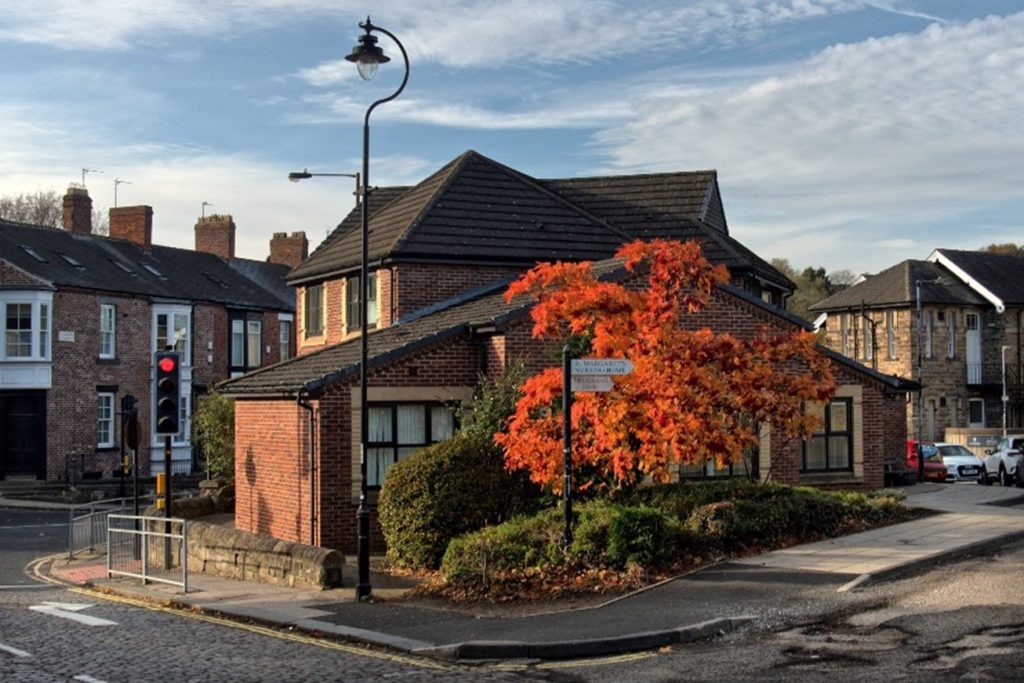
ARCH Recovery College is in central Durham at St Margaret’s Health Centre.
We offer:
- A resource base for adults struggling with their mental health, carers and staff
- An opportunity for people with lived experience of mental health issues to develop skills and understanding
- An opportunity for staff to become more recovery-focused and to consider their own wellbeing
- A place where adults struggling with their mental health, carers and staff learn together
- Courses delivered in co-production by experts by experience and experts by profession
Our ARCH Recovery College timetable
Drop-in enrolment (monthly)
First Tuesday of every month from 10am to 12.30pm
As a new student at ARCH, you will need to enrol. You can pop in for a chat and find out what we can offer over a cuppa at our monthly enrolment sessions. Booking is not required. Just turn up!
You can also contact us by:
Email [email protected]
Telephone 0191 451 0890
Booking is not required. Just turn up!
What’s on in October?
Join us this month as we focus on fostering a deeper attachment to nature and processes of ecology, through music through sound-making activities.
Mind body and spirit (weekly)
Date: Wednesdays from 10am to 11.30am
Weekly sessions are practical and informative, covering practices such as Tai-Chi, breath work, relaxation techniques, acupressure, and mindfulness.
Venue: Antioch House, 66 Crossgate, Durham, DH1 4PR
Walking for wellbeing (weekly)
Date: Thursdays from 10.30am to 12noon
Walking is brilliant for both your physical and mental health. Join our weekly walking group for a 90-minute walk around beautiful Durham City and the surrounding countryside.
All you need is comfortable, supportive footwear and clothing suitable for the weather. Please note that basic fitness and mobility is needed to be able to tackle some of the steeper hills.
Photography walk (weekly)
Date: Fridays from 10.30am to 12noon
This is a slow-paced walk based specifically around looking out for photographic opportunities.
We share advice on photographic techniques, how to improve composition skills, and other advice as to what makes a good photo.
Neurodiverse tea (monthly)
Date: Friday 2 October from 2pm to 3.30pm
A relaxed monthly talking space for neurodiverse individuals. Each monthly session will have a different set topic. As we have limited spaces, booking in advance is required.
Coffee, cake and conversation (monthly)
Dates: Friday 16 October from 2pm to 3.30pm
An informal, monthly event whereby we come together to discuss a specific issue concerned with wellbeing and positive mental health while enjoying some light refreshments
Music, sound and nature
Date: Tuesday 20 October from 10am to 12noon at Crook Hall and Gardens
The course will be focused on fostering a deeper attachment to nature and processes of ecology, through music. You will participate in sound-making activities in groups.
In these sessions we will explore both musical sound and the sounds of our natural environment and make creative connections between the two.
No prior musical experience necessary, but dress for the weather!
Let’s Talk: adult attention-deficit hyperactivity disorder (ADHD) and autism diagnosis
Dates: Starts weekly from Friday 23 October from 1.30pm to 4pm
A great starting point for those new to ARCH Recovery College. Join a chatty and interactive session to learn about how the CHIME principles can contribute to recovery.
Rich picturing: Mapping the future of ARCH
Date: Wednesday 28 October from 1pm to 4pm
This is a collaborative session where all recovery college students are invited to share their views on ARCH: what we are doing well, what not so well – and where we want to go in the future.
We will do this using a visual mapping technique called ‘rich picturing’ which uses drawings, doodles and sketches to explore complex issues.
You don’t have to be good at art to participate – stick figures and simple doodles are valuable ways you can express ideas in a different way. Coffee and cake will be provided.
View the latest course list Find out more about our coursesHow to book a course at ARCH recovery college
If you are interested in attending a course, first you need to be enrolled with the college. We hold monthly drop-in enrolment sessions on the first Tuesday of every month (10am to 12noon), no need to book or contact us beforehand, just come along to enrol.
If you can’t make it to one of the monthly drop in sessions, contact the office on 0191 451 0890 or email [email protected] and arrange a meeting to be enrolled. You can do this face-to-face, over the phone, or on Microsoft Teams.
You may also be referred to the college by your care team.
One of the peer trainers will meet with you face-to-face to discuss what kind of courses may be of interest to you as well as taking your contact details and completing a short questionnaire.
If you have any queries, please complete our contact form below and we will be in touch.
For further information
Durham ARCH Recovery College has been developed with the support of the following organisations:
- Aspire
- Durham County Council
- Durham County Wide Forum
- Durham Dales, Easington and and Sedgefield Clinical Commissioning Group
- North Durham Clinical Commissioning Group
- Stonham Home Group
- Waddington Street Centre
Follow us on Twitter @archrecovery
Like us on Facebook /durhamrecoverycollege
Is ARCH Recovery College for me?
We offer a number of courses which are primarily based around group discussion.
This includes sharing ideas and opinions; sharing our stories of recovery and our journeys so far and talking about different diagnosis to gain a greater understanding of mental health.
The group size is usually between 10 and 12 people which allows for good discussion and gives each person the chance to share their ideas and experiences if they wish.
Each of our sessions is delivered by an expert by profession and an expert by experience, which often gives a differing perspective on the topic being discussed.
Content on the website has been co-written from different perspectives and includes overview from those with lived experience. There are service user stories on the site along with site information, views and opinions, as well as the e-learning resources.
What do we mean by recovery?
Recovery is a personal journey. You might already have, or are at least developing, your own definition of what recovery means to you.
Personal recovery is felt to be much more relevant when we are thinking about mental health and distress, as often it is not the diagnosed symptoms that are the most troubling thing for people. They may wish to have a greater sense of purpose, an understanding of their distress or more control over what happens to them.
Although reducing symptoms or certain feelings by using things like medication and therapy is very important and useful for many people, personal recovery goes way beyond treatment.
Everyone’s ideas about their own recovery will be different, and this is why it can be difficult to describe exactly what recovery is.