
What is the Teesside Children and Young People Community Eating Disorder Service (TCYP-CEDS)?
We work with young people up to 18 years of age with a diagnosed or suspected eating disorder or young people experiencing eating difficulties.
We help children and their families by bringing different experts together to decide what support young people need and to give them the right care.
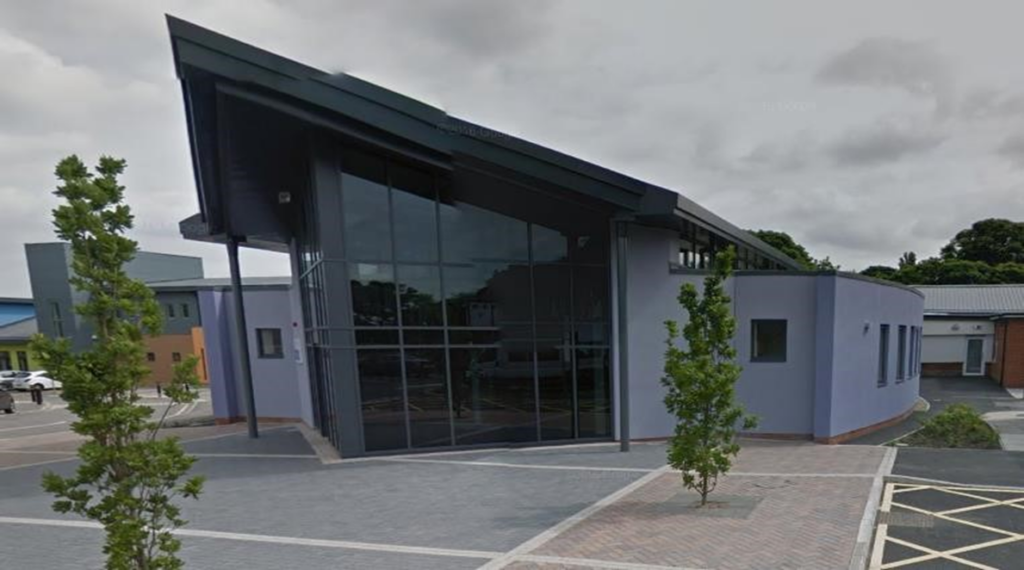
How to find us
Address
The Glades
Acklam Road Hospital
Acklam Road

Middlesbrough
TS5 4EE
Phone number
03000 132 000 (option 7)
Parking
There is free onsite parking.
Opening hours
The Glades: Monday to Saturday, 8am to 6pm.
Intensive home intervention: Monday to Saturday, 8am to 6pm.
What is an eating disorder?
An eating disorder is a complex mental health illness. Anyone can develop one, no matter what their age, gender or background is.
Some examples of eating disorders are bulimia, binge eating disorder, avoidant restrictive food intake disorder and anorexia. It is important to know that there is no single cause, and it’s nobody’s fault if it happens.
What are eating difficulties?
Eating difficulties can describe a problem with disordered eating that does not meet the diagnostic criteria for an eating disorder.
Who’s in our team
Our eating disorders team is made up of a range of different professionals, including CAMHS practitioners, nurses, an occupational therapist, dietitians, psychologists, a family therapist and psychiatrist. We work closely together to provide the best possible care for every young person and their families in our service.
What to expect
Our eating disorders clinicians will meet with young people and their families to talk about what they have been going through and how this has impacted on them and their family.
After an initial assessment, we will meet our wider team to decide together whether our service is needed and, if so, what’s the best way to support you.
In the feedback session, we will tell you what we think and together we’ll agree and develop an initial plan of care.

How we can help
We usually work with the whole family (a family-based treatment approach) for all types of eating disorders. It’s been proven that this is the best way of working.
We will help families develop new skills to support their child or young person to recover as we recognise that families are important.
Treatments
In the initial stage of treatment, we help families work together. This may include appointments when the whole family is seen together. There may also be sessions for parents, peer support groups and group work with other families. As young people recover, their treatment may change to more individual work.
We will always consider the physical effects an eating disorder is having on a young person’s body, as well as the psychological effects (mental, emotional, and behavioural changes). In the early stages, it is very important that physical needs are taken care of as it’s an important part of the recovery process.
Key worker
Every young person will be allocated a key worker. They will check in with the young person and their family and carers regularly and make decisions together.
Arriving at TCYP-CEDS
When you arrive, please go to reception. Our receptionist will ask the young person’s name and let the CAMHS team know you have arrived.
Please take a seat in the waiting area until your professional arrives. There is a visitor toilet close to the waiting area.
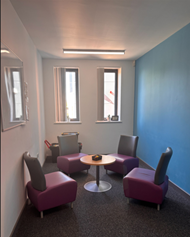
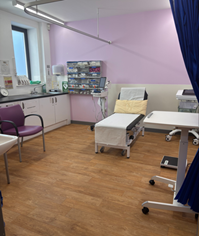
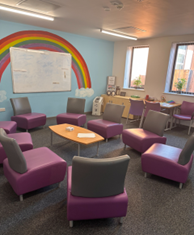
When it’s time for your appointment, you’ll be taken to a room similar to the ones below.
Referral process
If you have concerns about a child or young person, please contact us. We have a team available Monday to Friday, 1pm to 5pm, who can help with support and advice. When a referral comes in, we decide immediately how urgent it is. We also follow national standards (Access and Waiting Time standards).
Mental health crisis
Please note, we are not a crisis service. If anyone is in a mental health crisis, call NHS 111 and select the mental health option (available 24 hours a day, seven days a week).
Feedback
Please let your care team know if you want to comment on whether:
- this information is useful
- any information is missing
- you do not understand the information
Do you have concerns or complaints?
If you have concerns or complaints about a service, you can:
- tell a member of staff
- call our complaints team – freephone 0800 052 0219
- email [email protected]
Information in other languages and formats
All our website and leaflet information can be made available in many formats. Please ask a member of staff if you would like this information in another language, large print, audio or braille.