
9 April 2026
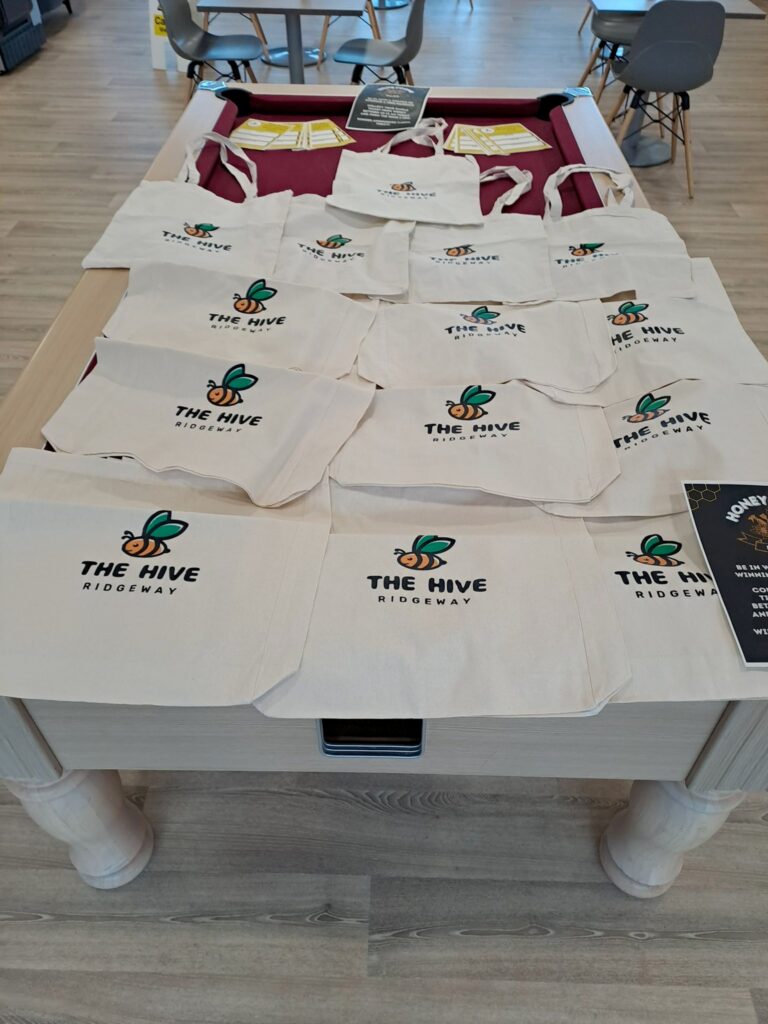
A once‑underused café space at our Roseberry Park Hospital in Middlesbrough, has been transformed into The Hive, a vibrant social hub designed by, and for, our patients.
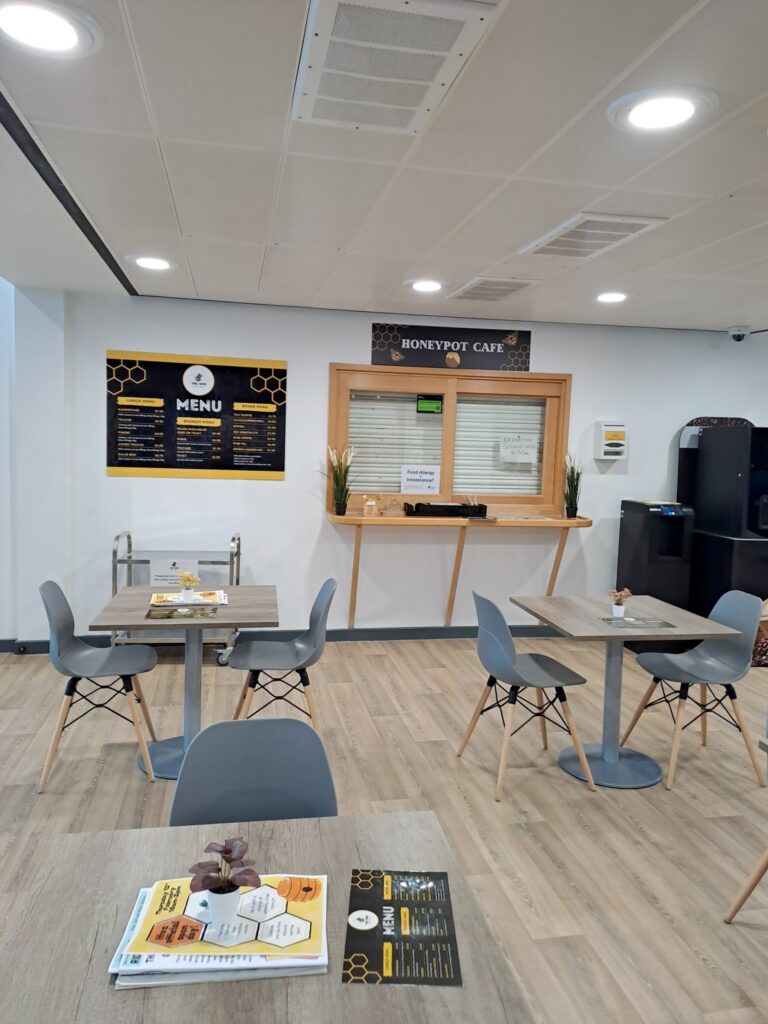
The Hive brings together a café, shop and hair salon within our Ridgeway secure mental health services.
The area has existed in various forms over the years, but our patients and staff that use it wanted to create a space to feel welcoming, purposeful and similar to what people would experience in the community.
Dave Banks, our senior recovery and co-creation lead, said: “Building a positive, social space has always been important, especially for people who can’t access the community.
“The Hive gives people a place to have a cuppa, pick up essentials, enjoy a light lunch or simply meet others in a relaxed environment.”
Patients played a key role in the project and shaping the identity of The Hive, choosing its name and the theme for the café, shop and salon.
“The space is now used daily,” added Dave. “Not only for café and shop visits, but also for games of pool, informal meet‑ups, and activity sessions such as tournaments and gaming events.
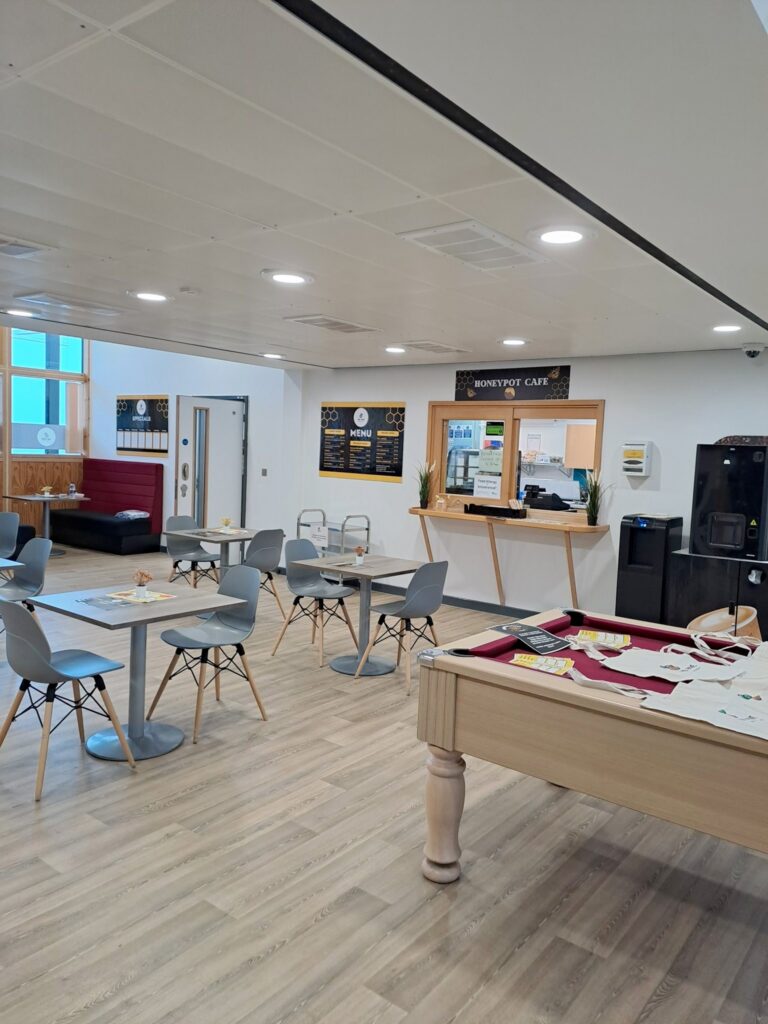
“We’re also exploring opportunities for carers’ meetings to take place in the space, helping families see the facilities available.”
Patients using the space say The Hive has already made a meaningful difference.
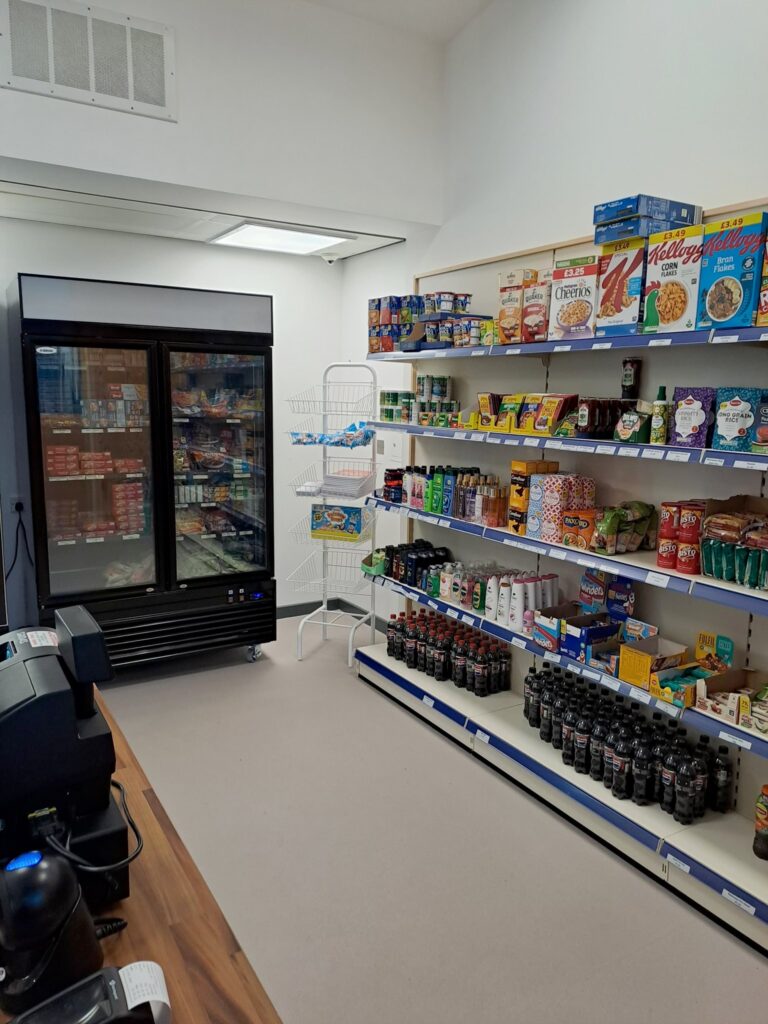
“I will be there every day because I get something from it. I just want to thank The Hive team for making us happy,” said one patient.
Another added: “I really enjoy being able to pick things for myself. I feel more independent. I can’t wait to buy a fragrance spray when they get them in.”
The Hive is run by our staff working in the café and shop, with plans to welcome volunteers.
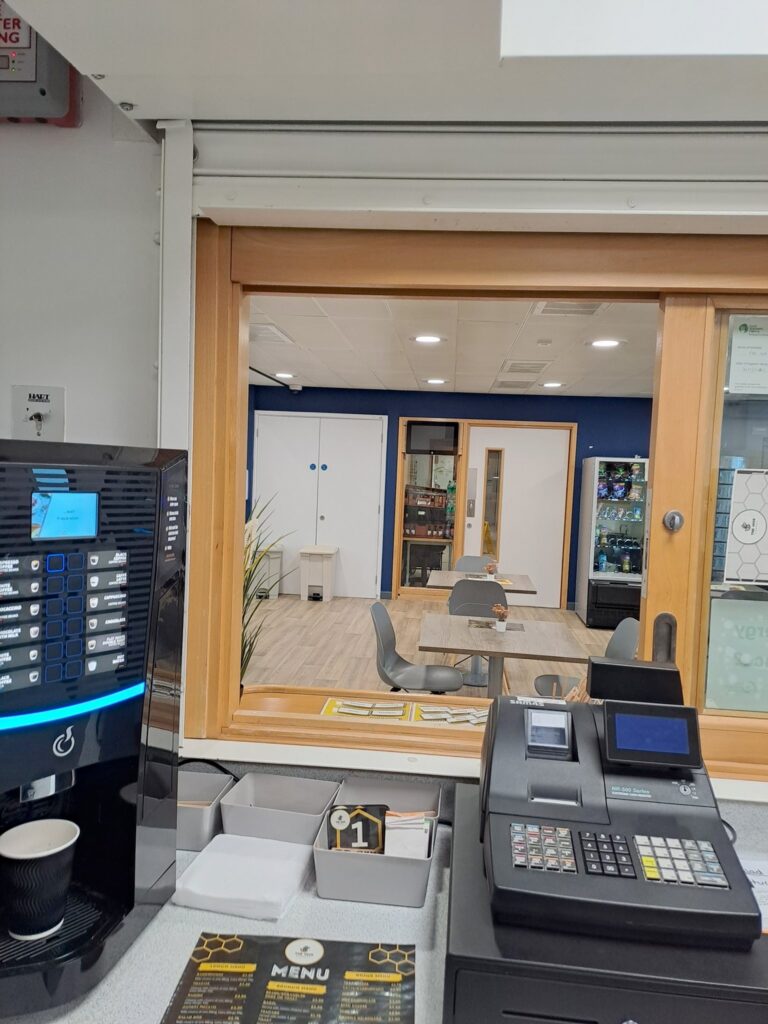
New vocational roles are also being developed so the people we care for can gain experience and skills in areas such as stock management, serving customers, cleaning, preparation duties and managing vending machines across the site.
The café and shop operate through a patient‑managed charitable fund that pays for stock and receives all takings.
The fund, managed by a patient forum, helps pay for items and activities that enhance life on the wards, such as garden furniture and events.
Despite early challenges with building work and delays, The Hive is now becoming the social heart of Ridgeway, a place where our patients can connect, build confidence and enjoy every day experiences in a safe, supportive environment.
“It makes me feel like I am normal again in this world, because the shop is as normal as a shop in the community. I really like it,” said a patient.