
Information about the support we can give you if you haven’t eaten or drank in a few days.
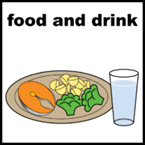
When you start having food and drink after not eating for 5 days or more, you can be at risk of Refeeding syndrome.
This is a serious condition that can happen because of changes in the way your body turns food and drinks into energy.
Why might you be at risk of Refeeding syndrome?
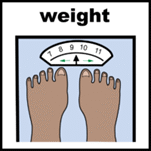
You haven’t eaten for at least 5 days.
You may have lost weight too quickly in the last 3-6 months.
Certain minerals (electrolytes) in your body might be low.
What will happen if you are at risk of Refeeding syndrome?
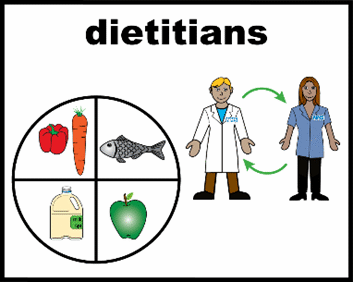
You will be given an eating plan by a Dietitian to help slowly increase your food and drink intake over the next 4 to 7 days.
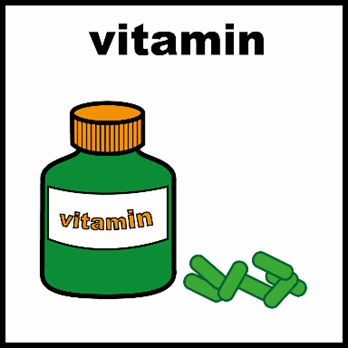
You might need to take some vitamin tablets.
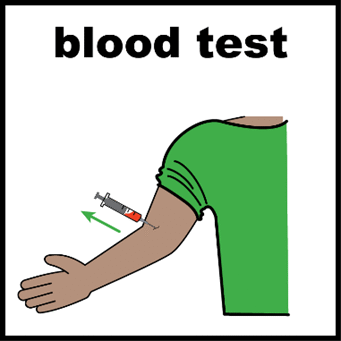
You might need to have blood tests done to check that the levels of minerals (electrolytes) in your body are ok.
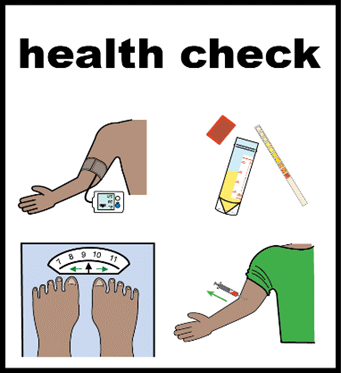
Your ward team might need to check your weight, heart rate, blood pressure and blood sugars to check that you are well.
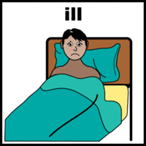
It is very important that you follow the advice given to you by your ward team. If you do not follow the advice, you may become seriously ill and, in the worst case, may die.
Dos and Don’ts
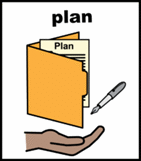
If you have been told by a Dietitian that you are at risk of refeeding syndrome:
Follow the plan given to you by the Dietitian and your ward team.
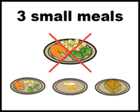
When you start eating again – “start low and go slow”.
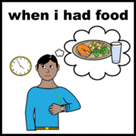
Let your ward team know everything you have had to eat and drink.
Take the vitamins that have been prescribed to you.
Have health checks done when needed.
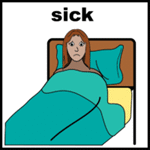
If you feel unwell, tell your ward team straight away.
Don’t
Don’t suddenly have more food and drink than your dietitian has recommended.
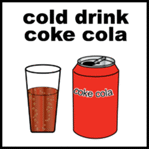
Don’t drink sugary drinks like pop or fruit juice
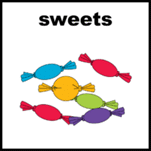
Don’t eat sweet and sugary foods.
What are the symptoms of Refeeding Syndrome?
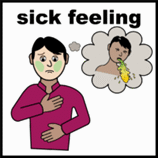
A symptom is a problem or feeling that is caused by an illness.
Symptoms of Refeeding Syndrome include:
Feeling sick or being sick.
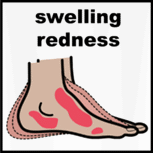
Swelling, usually in the legs or ankles.
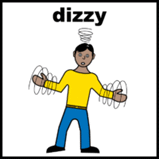
Feeling dizzy or lightheaded.
Weight going up very quickly
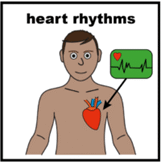
Changes in your heartbeat.
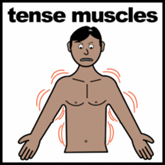
Weak muscles or cramp.
You might get all these symptoms or only have some.
Please tell your ward team if you get any of these symptoms.
What happens if you don’t follow the advice of your dietitian and ward team?
You may become very unwell.
During your stay in hospital
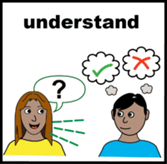
Your ward team will check that you understand this information that has been given to you and answer any questions you may have.
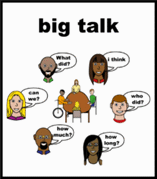
Your ward team will talk to you and the important people in your life about how to keep you safe from becoming unwell.
If you or the important people in your life have any questions about Refeeding Syndrome, please let your ward team know. We will do our best to answer them.
If you are unhappy about our services…

Please tell a member of staff.
Freephone 0800 052 0219 or

Email [email protected]
Feedback
Please let your care team know if you thought this information was:
- Good or bad
- If anything was missing you wanted to know
- If there was anything you didn’t understand let a member of your care team know.
Leaflet reference: L228e
Version: 1
Publication date: 20/02/2026
Archive date: 20/02/2029